
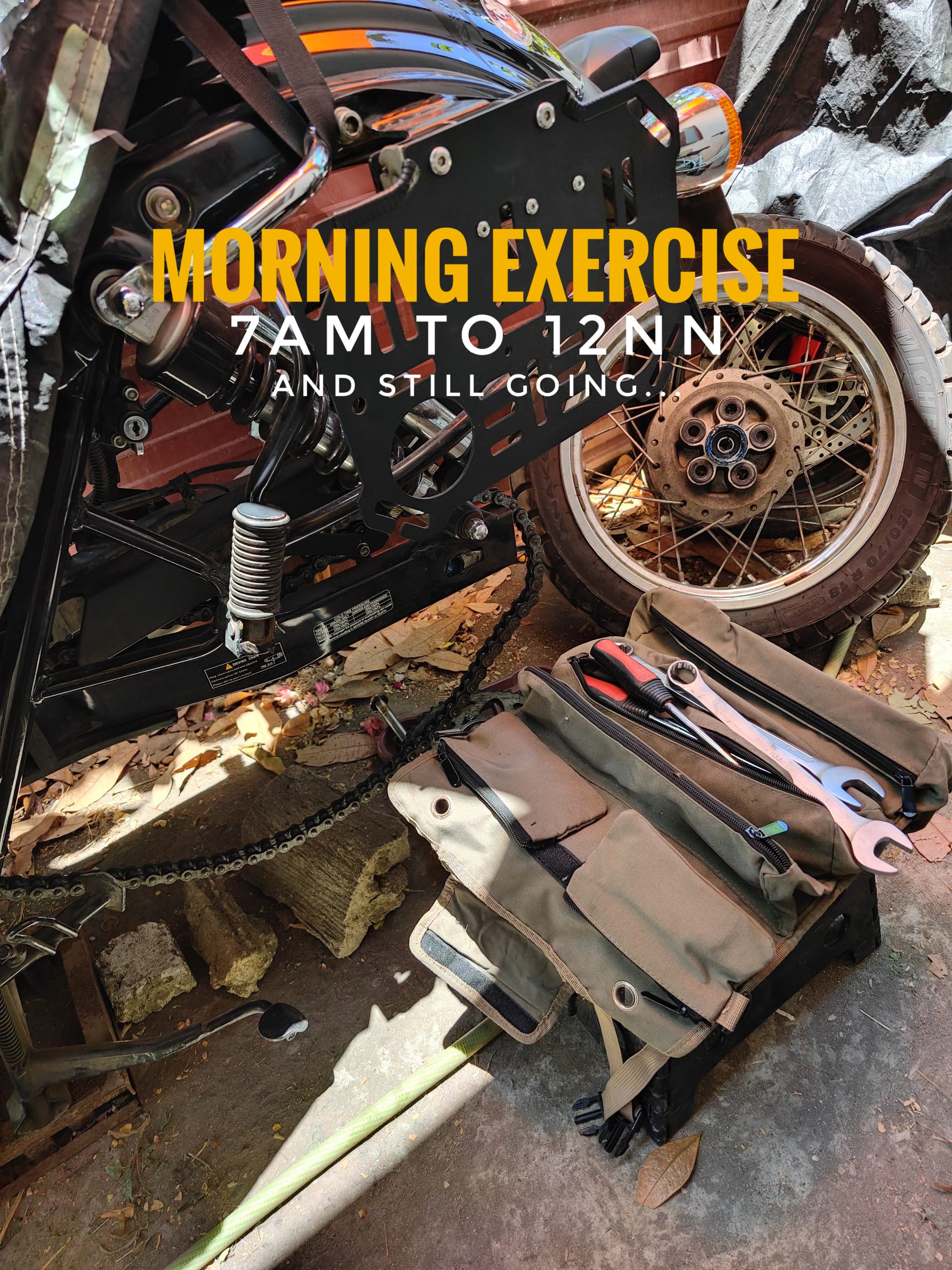
I treat maintenance like a conversation with my bikes — regular, honest, and hands‑on. My routine covers the basics I trust: oil changes, carburetor cleaning, chain cleaning and lubrication, and checking cable slack. For oil I stick to what the manual recommends and change it before long trips; fresh oil keeps the Imperiale’s heavy‑built engine smooth and the Trident’s interval resets handled by the dealer don’t stop me from doing the physical oil swap myself. Carburetors get a quick inspection and a proper clean whenever the bike runs rough or after long storage; a clean carburetor is often the difference between a crisp throttle and a sputter on the road.
Maintenance is the quiet ritual that keeps freedom on two wheels alive.
Learn the bike’s language and tend to its needs, and you’ll ride farther with confidence.
Every oil change, cable check, and roadside fix is a small promise to the road.
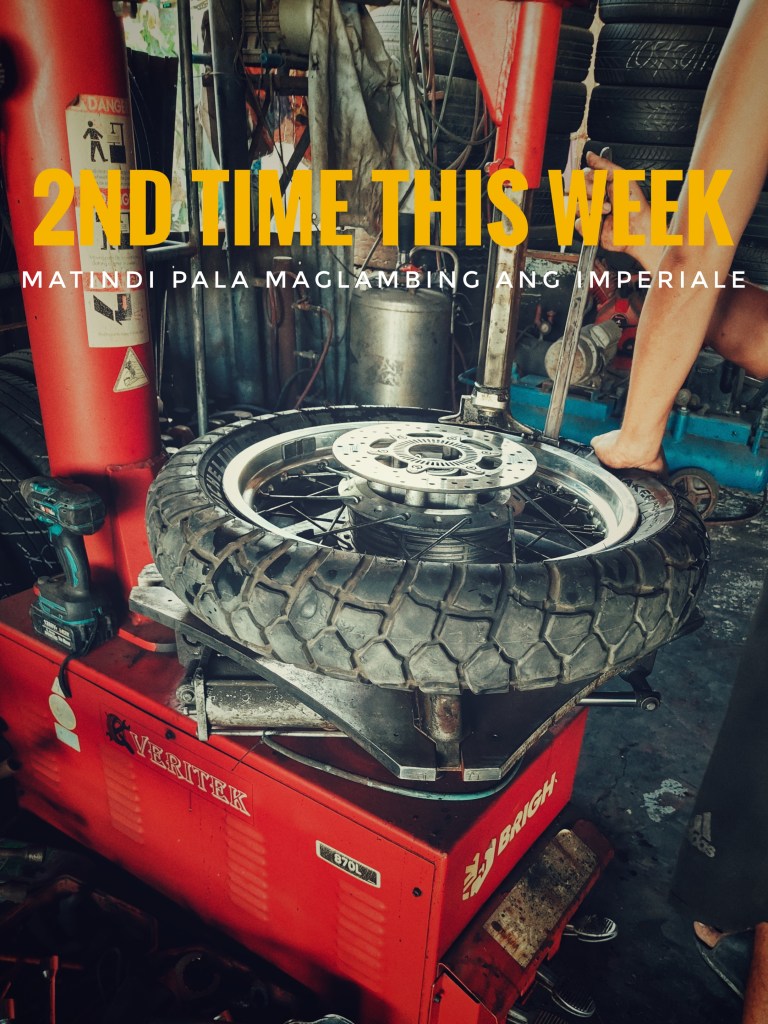
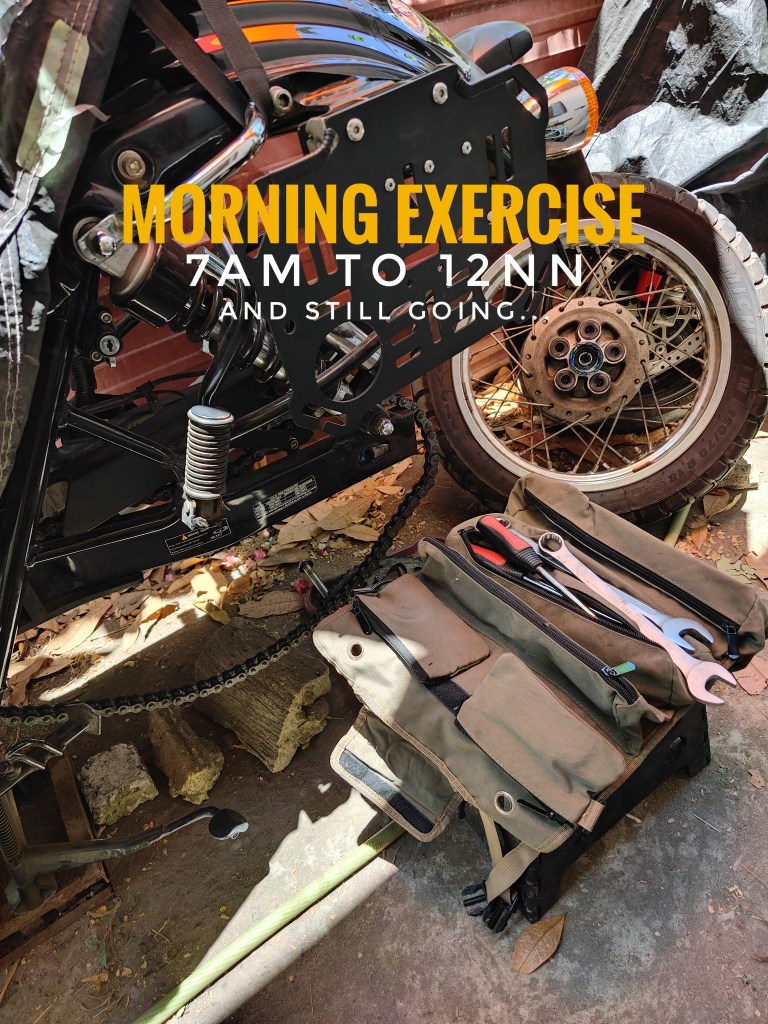

Chain and drive maintenance is non‑negotiable for me. I clean and lube the chain after wet rides and before any twisty day out — it preserves sprockets and keeps the Benelli feeling planted through corners. I check chain slack with the bike on its stand and adjust to the spec in the manual; too tight and you stress bearings, too loose and you risk a skip. Cables get the same attention: a quick visual for fraying, a feel for smooth travel, and a drop of light lubricant at the ends keeps controls predictable. These small checks save time and headaches on the road and are easy to do between rides.
For roadside problems I rely on practical, temporary fixes that get me home without drama. I can patch or plug a flat well enough to ride to a shop when vulcanizing isn’t an option, and I carry a compact puncture kit and a small pump. I’ve traced loose wires and swapped fuses on the Monster after rectifier or fuel‑pump quirks, and I’ve pushed a bike to the shop when needed — those moments taught me to pack basic spares: fuses, a short length of wire, a multi‑tool, and a small tube of chain lube. The Yamaha STX taught me the value of simplicity: when something breaks, I can usually diagnose and fix it roadside, which is a kind of freedom in itself.
Wrapping Up with Key Insights
Finally, keep records and know your limits. Log every oil change, carb clean, and roadside fix so you can spot patterns before they become failures. Learn the basics you enjoy — I do my own PMS and temporary tire fixes, but I accept dealer help for tasks that need specialized tools or software, like the Trident’s service interval reset. Respecting what you can do safely and when to hand it to a pro keeps your classic‑styled ride reliable and enjoyable. In the end, maintenance is less about perfection and more about stewardship: small, steady care keeps the bikes ready for the next coastal run or twisty loop.
Leave a Reply