
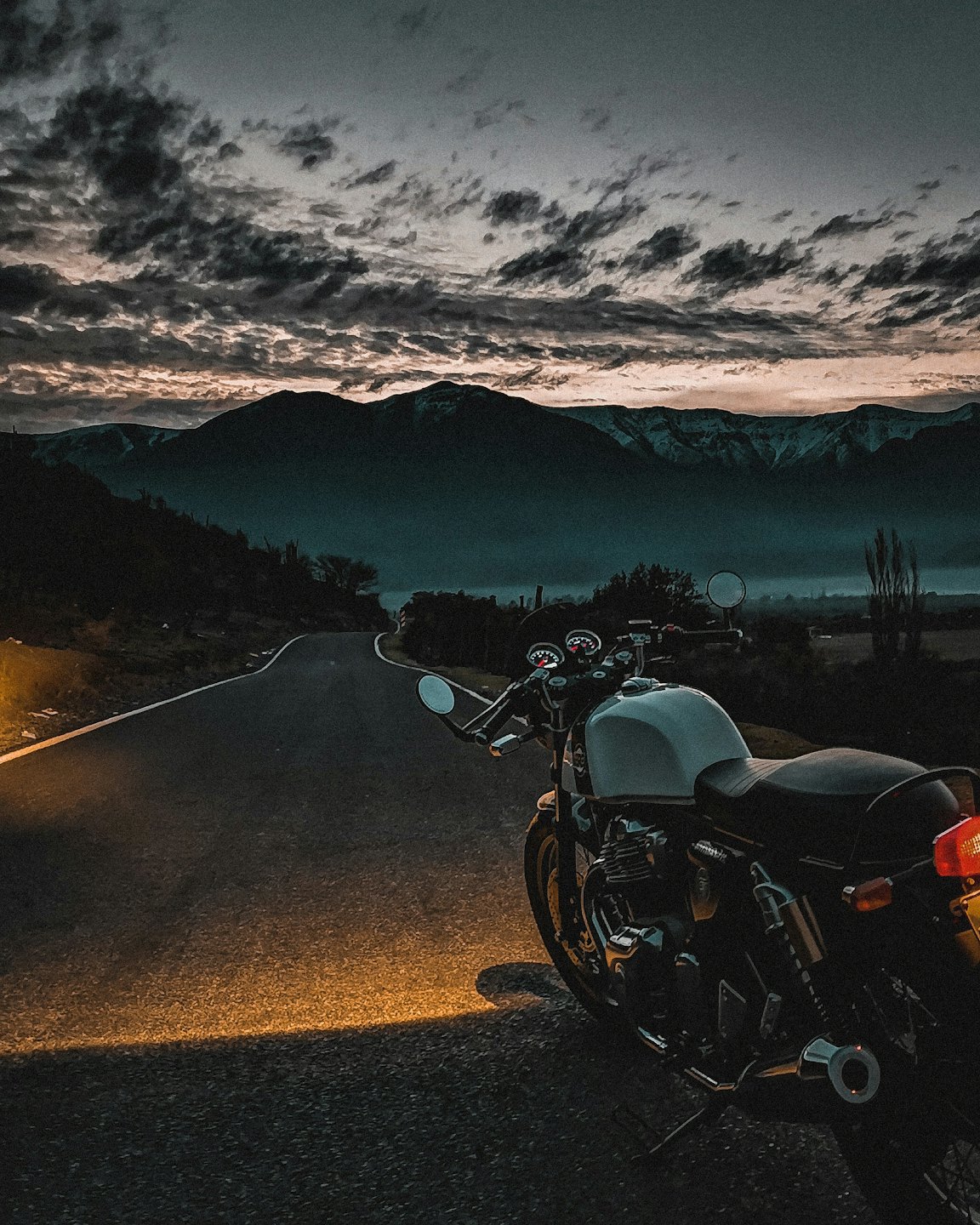
Owning a classic bike is a promise to keep a living piece of history on the road. Maintenance is not just chores it is a ritual that preserves sound, feel, and character. This article gives a clear, practical plan you can follow whether you ride a Yamaha STX, rode a Triumph Trident, or now keep a Benelli Imperiale and a Ducati Monster 620ie. Read it, use it, and make it part of your riding life.
“A classic bike is a living story; maintain it with steady hands and steady habits, and it will repay you with years of honest miles.”
Why maintenance matters
Reliability Protects you from roadside failures.
Longevity Reduces wear and expensive rebuilds.
Value Keeps resale and collector value intact.
Character Preserves the sound and feel that make a classic special.
Core maintenance principles
- Ride regularly Start the engine and ride at least once a week for twenty minutes to circulate fluids and charge the battery.
- Keep fluids fresh Change engine oil and filter on a schedule and replace brake fluid annually.
- Protect against corrosion Keep the fuel tank full or use stabilizer for storage and store the bike in a dry ventilated space.
- Inspect fasteners and rubber Vibration loosens bolts and heat ages rubber parts so check them often.
Routine Schedule for a pro
Every ride Quick visual inspection for leaks and loose parts.
Weekly Start and run the engine; check battery voltage and tire pressure.
Monthly Clean and lube the chain; check brake pads and fluid level.
Every 3 000 to 5 000 kilometers or annually Change engine oil and filter.
Annually Replace brake fluid and inspect the cooling and charging systems.
Step by step monthly checklist
- Walk around inspection Look for oil leaks, loose bolts, cracked hoses, and corrosion.
- Tires Check pressure cold and inspect tread for cuts or uneven wear.
- Chain Clean with a suitable solvent then apply chain lube and set tension to the manufacturer specification.
- Brakes Check pad thickness and lever feel. Top up fluid if low and note any spongy feel.
- Battery Clean terminals and check state of charge. Use a tender if stored more than two weeks.
- Lights and electrics Test all lights and horn. Wipe connectors and check grounds.
Storage and preservation
Location A ventilated dry garage is best. If you must store outdoors use a breathable cover. Fuel Fill the tank or add stabilizer to prevent internal rust and varnish. Battery Remove and store on a tender for long term storage. Tires If stored long term place the bike on paddock stands or move it occasionally to avoid flat spots. Cosmetics Wash and wax paint and use rubber protectant on seals and grips.
Tools and supplies every owner should have
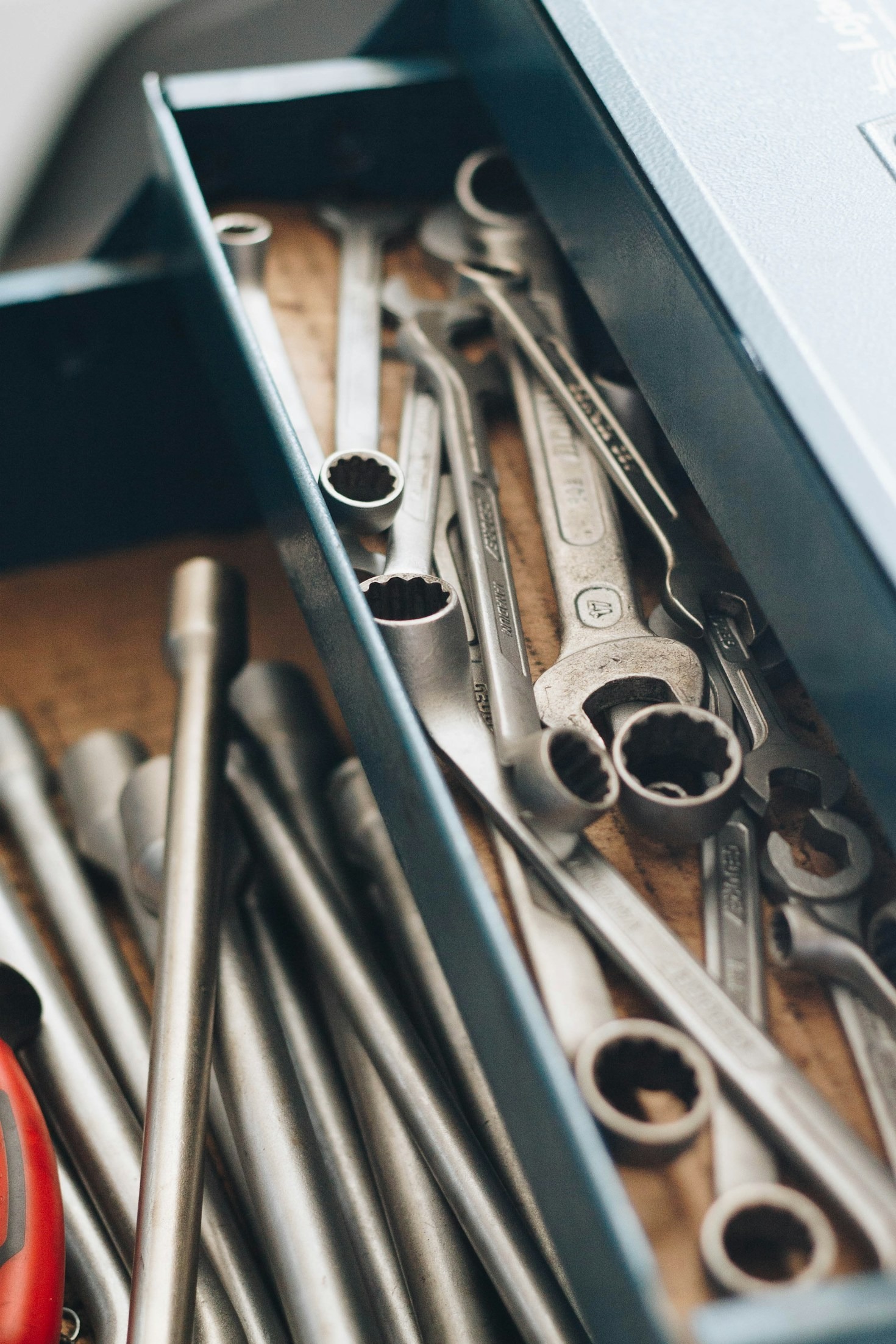
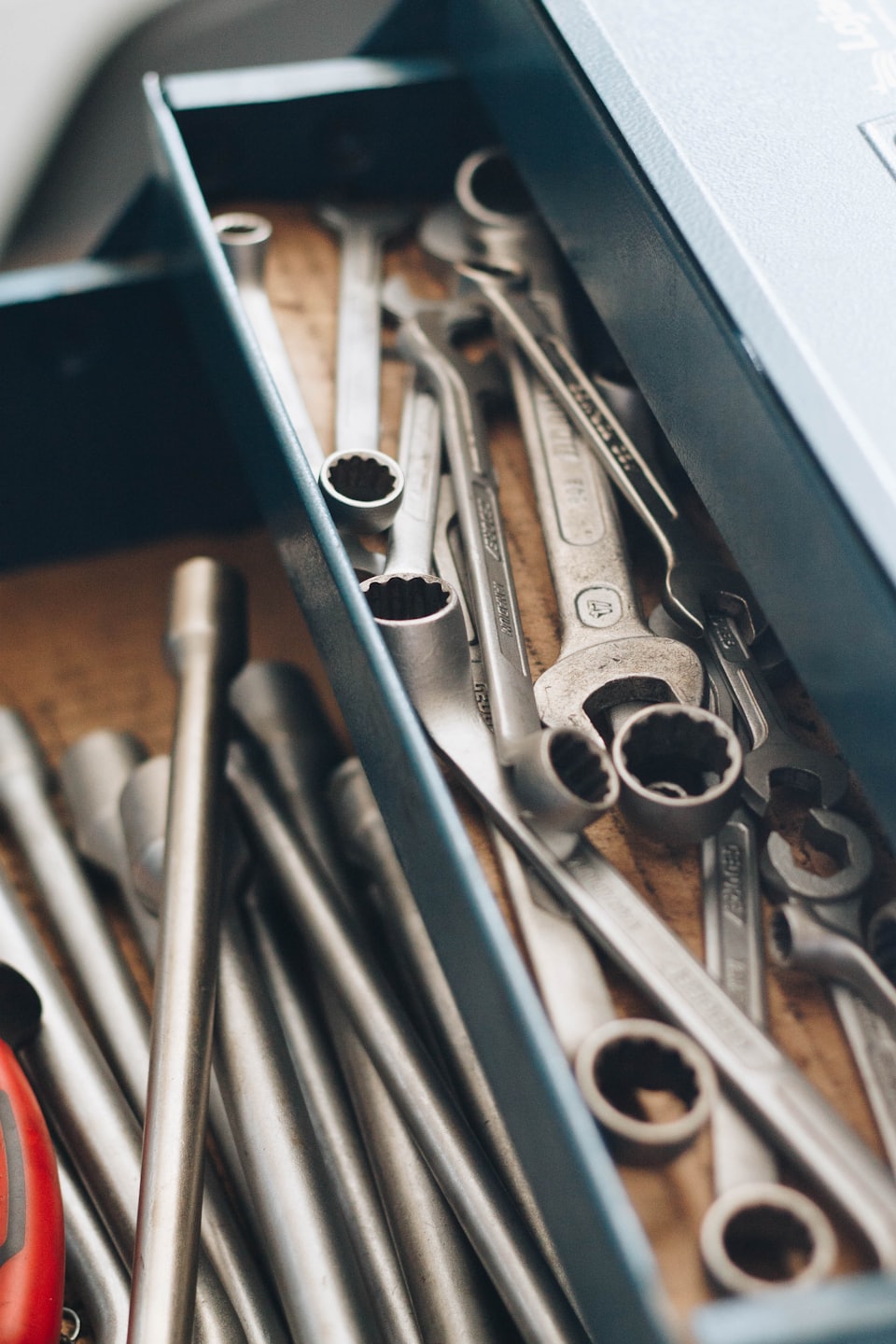
- Basic tool kit sockets, spanners, screwdrivers, torque wrench.
- Chain brush and lube choose a product suited to your chain type.
- Oil and filter the correct grade for your engine.
- Brake fluid DOT rating as specified by the manufacturer.
- Fuel stabilizer for seasonal storage.
- Battery tender to keep the battery healthy.
Troubleshooting common issues
- Hard starting Check battery charge and terminals then fuel delivery.
- Rough idle Clean carbs or check injector and air filter.
- Soft brakes Bleed the system and replace fluid if contaminated.
- Chain noise Clean and re lube then check alignment and sprocket wear.
Practical tips that make a difference
- Log every service A simple notebook or digital log saves time and helps spot trends.
- Use OEM specs Torque values and clearances matter so follow the manual.
- Keep spares Carry a spare fuse, bulbs, and a small tool roll on long rides.
- Learn basic skills Changing oil, adjusting chain, and bleeding brakes are empowering and save money.
Final word
Maintaining a classic bike is a balance of respect for tradition and disciplined routine. Treat maintenance as part of the ownership experience and your bike will reward you with reliability, character, and years of enjoyment. Make the checklist your habit and ride with confidence.
Leave a Reply